



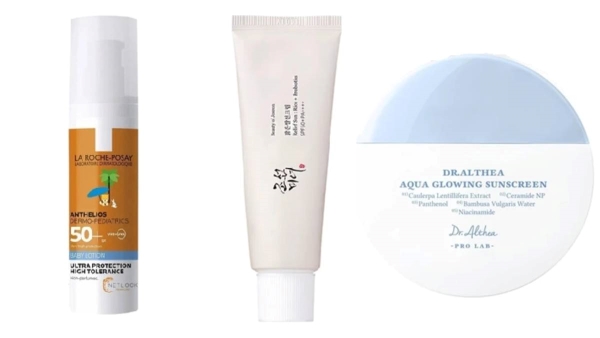
The trends highlighted by the research point to new growth opportunities for private label players in the sun care category. Year-round facial sunscreens, multifunctional SPF solutions, alternative formats and sensitive-skin formulations for children are among the areas where retailers and manufacturers can diversify their portfolios…
Sun protection is moving beyond its traditional seasonal positioning as consumers increasingly incorporate SPF products into their daily personal care routines. Hepsiburada’s Sun Protection Product Usage Habits Research, conducted in collaboration with FutureBright, highlights changing consumer behavior across usage frequency, product formats, purchasing channels and brand preferences.
According to the research, half of respondents regularly apply facial sunscreen during the winter months as well. Body sunscreen, however, remains more seasonal. Hepsiburada’s sales data reflects the same pattern, with facial sunscreens generating consistent interest throughout the year, while demand for body sun protection products begins to increase from May.
The findings point to a broader shift toward year-round demand, particularly for facial products designed for everyday use.
Multifunctional SPF products gain ground
Consumer expectations are also driving greater diversification within the category. While creams remain the most popular format for both everyday and beach use, alternatives such as SPF sticks, gels and powders are becoming part of consumers’ routines.
The convergence of sun protection and skincare is another notable trend. According to the research, 78% of respondents prefer skincare products containing SPF. Hepsiburada data also indicates that female consumers, in particular, are showing greater interest in multifunctional facial sunscreens.
Meanwhile, 57% of respondents said they could purchase more than one sun protection product in a single shopping trip, regardless of promotional periods. The finding suggests that consumers are increasingly building sun care routines around multiple products designed for different needs rather than relying on a single sunscreen.
E-commerce leads sun care purchases
Changes in the category extend beyond product usage to purchasing behavior. E-commerce websites rank as the leading channel for sun protection purchases, preferred by 54% of respondents.
Nearly half of consumers review product ratings and comments before making a purchase. Running out of an existing product is the primary trigger for buying sunscreen, while the beginning of the summer season and promotional periods also influence purchasing decisions.
The category’s growing online momentum is also reflected in Hepsiburada’s own figures. Sales of sun protection products on the platform increased by 50% in unit terms over the past year.
Social media fuels interest in Korean brands
Brand preferences vary according to consumers’ needs and perceptions. Domestic brands stand out for everyday use and suitability under makeup, while Korean brands are attracting attention due to their popularity on social media, perceived innovation and association with skincare expertise.
Imported brands, meanwhile, are favored for their premium and trustworthy image as well as their perceived suitability for sensitive skin.
These differences suggest that competition in sun care is increasingly extending beyond price and SPF level. Product experience, format, additional skincare benefits and brand positioning are becoming more significant factors in consumer choice.
Trust drives purchasing decisions in children’s sun care
Trust is particularly important in sun protection products for children. According to the research, 67% of parents regularly use sunscreen for their children, while another 29% do so occasionally.
Four in 10 parents choose a different sunscreen brand for their children than the one they use themselves. Brand and ingredient reliability, suitability for sensitive skin and SPF level emerge as key considerations when purchasing products for children.
New opportunities for private label
The trends highlighted by the research point to new growth opportunities for private label players in the sun care category. Year-round facial sunscreens, multifunctional SPF solutions, alternative formats and sensitive-skin formulations for children are among the areas where retailers and manufacturers can diversify their portfolios.
As sun protection becomes increasingly integrated into everyday skincare, the category is also opening opportunities for private label brands to move beyond traditional seasonal offerings. Products combining sun protection with skincare benefits, convenient application formats and solutions tailored to specific consumer needs could provide retailers and manufacturers with new ways to differentiate their ranges and respond to evolving demand.








Discussion about this post