



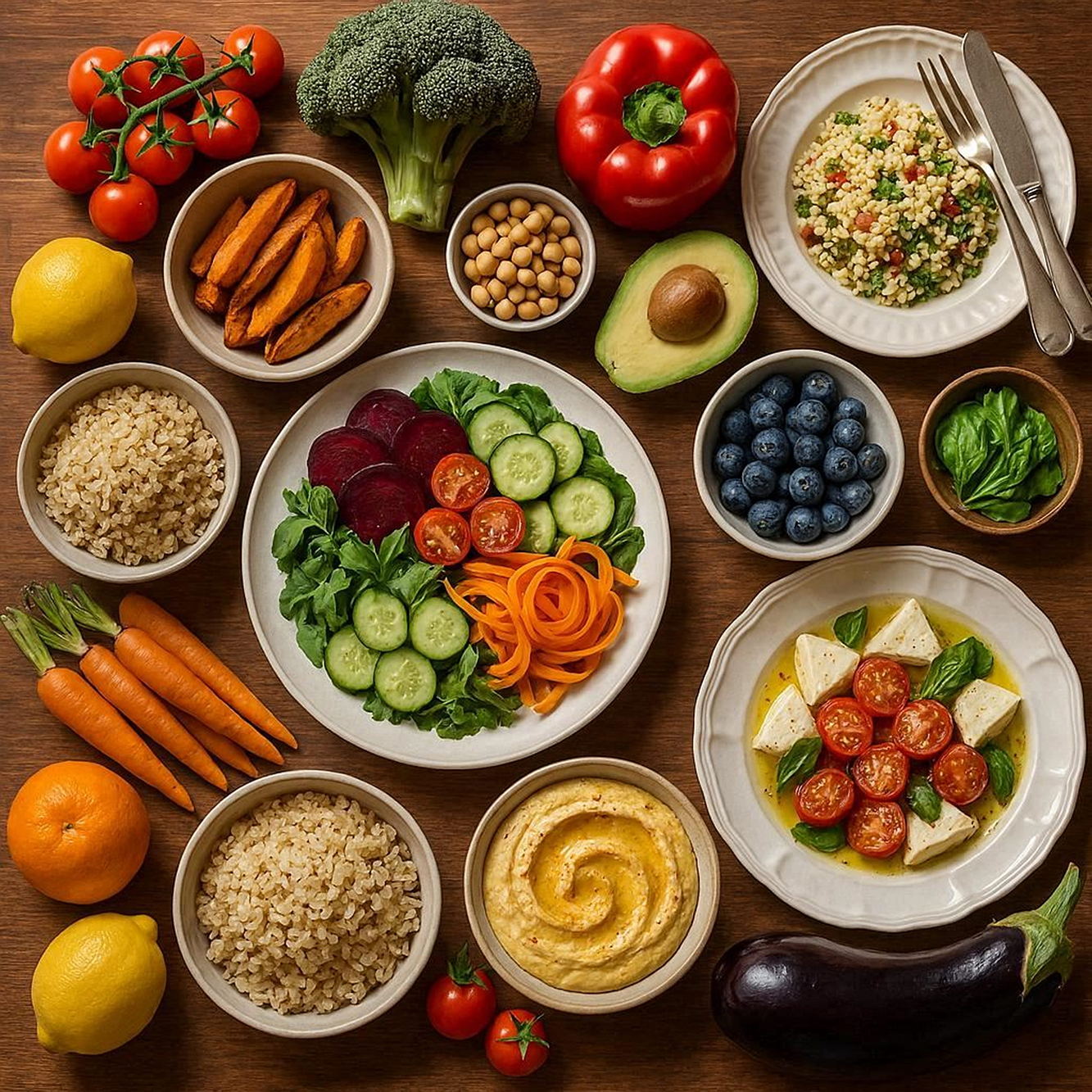
The global food industry is undergoing a profound transformation. Consumers are no longer purchasing food solely to satisfy hunger—they increasingly expect every meal, snack, or beverage to contribute to their overall well-being. This shift has propelled functional foods from a niche category into one of the fastest-growing segments of the global grocery market.
For private label manufacturers and retailers, the rise of functional foods represents far more than a passing trend. It offers a strategic opportunity to differentiate product portfolios, strengthen consumer loyalty, and respond to evolving health expectations with innovation that is both accessible and affordable.
A New Definition of Healthy Eating
Modern consumers have become significantly more informed about nutrition than ever before. Access to scientific information, health influencers, and digital wellness platforms has encouraged people to take a proactive approach to their health.
Rather than waiting to address health issues after they arise, consumers increasingly seek foods that may support immunity, digestive health, cognitive performance, heart health, energy levels, and healthy aging.
This preventive mindset has expanded demand beyond traditional “healthy” products into foods offering additional physiological benefits.
Today’s shoppers look for products enriched with:
- Probiotics and prebiotics
- Plant-based proteins
- Omega-3 fatty acids
- Vitamins and minerals
- Dietary fiber
- Botanical extracts
- Adaptogens
- Antioxidants
- Collagen
- Functional mushrooms
These ingredients are no longer confined to dietary supplements. They now appear across mainstream supermarket categories, including dairy products, bakery, cereals, beverages, snacks, confectionery, frozen foods, and ready meals.
Consumers Want Everyday Wellness
One of the most important developments in the functional food market is that consumers increasingly prefer obtaining nutrients through daily foods instead of pills or capsules.
Eating has become an extension of personal wellness routines.
Consumers are looking for products that combine convenience with health benefits without compromising taste or affordability.
Breakfast cereals enriched with fiber, protein-rich yogurts, vitamin-fortified beverages, collagen-infused drinks, immunity-supporting juices, and high-protein snacks are becoming standard supermarket offerings.
The popularity of these products demonstrates that wellness is no longer limited to specialist health stores. It has become part of everyday grocery shopping.
Private Label Moves Beyond Price
Historically, private label products competed primarily on value. Today, retailers are repositioning their own brands as innovation leaders capable of matching—or even exceeding—the quality of national brands.
Functional foods have become one of the strongest platforms for this transformation.
Retailers across Europe, North America, and Asia are introducing premium private label ranges featuring scientifically supported ingredients, clean-label formulations, and sustainability-focused packaging.
Consumers increasingly perceive retailer brands as trustworthy providers of high-quality nutrition at competitive prices.
This evolution reflects a broader change in purchasing behavior. Rather than choosing between quality and affordability, shoppers increasingly expect both.
Clean Label Remains Essential
Functional ingredients alone are no longer sufficient.
Consumers also expect ingredient lists that are transparent, recognizable, and minimally processed.
The clean-label movement continues to influence purchasing decisions, particularly among younger consumers who carefully examine product packaging before making buying decisions.
Successful functional products often combine added nutritional benefits with:
- Natural ingredients
- No artificial preservatives
- Reduced sugar
- Lower sodium
- Plant-based formulations
- Sustainable sourcing
- Environmentally responsible packaging
This combination of functionality and transparency povides stronger consumer confidence.
Personalization Is Driving Innovation
Nutrition is becoming increasingly personalized.
Consumers recognize that health needs vary according to age, lifestyle, activity level, and personal wellness goals.
As a result, manufacturers are developing products designed for specific consumer segments.
Examples include:
- High-protein products for active lifestyles
- Calcium-rich foods for healthy aging
- Cognitive support beverages for professionals and students
- Children’s products fortified with essential vitamins
- Women’s wellness formulations
- Gut-health focused products containing probiotics and fiber
This targeted approach allows retailers to diversify private label portfolios while establishing stronger emotional connections with consumers.
Scientific Credibility Matters
As the functional food market expands, consumers are becoming more discerning.
Health-related claims receive increasing scrutiny from regulators as well as shoppers themselves.
Products that communicate realistic, evidence-based benefits tend to build greater long-term trust than those relying on exaggerated marketing language.
Manufacturers therefore face growing pressure to invest in research, ingredient validation, clinical studies, and transparent communication.
For private label suppliers, collaboration with ingredient manufacturers, nutrition experts, universities, and research institutions has become an important source of competitive advantage.
Scientific credibility is increasingly becoming a brand asset.
Technology Accelerates Product Development
Food technology is rapidly expanding the possibilities for functional nutrition.
Advances in ingredient processing, fermentation, precision nutrition, encapsulation technologies, and plant-based innovation enable manufacturers to incorporate sensitive bioactive compounds into everyday foods without compromising taste or shelf life.
Artificial intelligence also plays an increasingly important role in product development by analyzing consumer trends, predicting demand, and accelerating formulation processes.
Meanwhile, digital technologies improve traceability throughout the supply chain, helping retailers demonstrate product quality and sourcing transparency.
These innovations allow private label manufacturers to react more quickly to changing consumer expectations.
Sustainability and Health Go Hand in Hand
Consumers increasingly associate personal health with planetary health.
As a result, sustainability has become closely connected with functional food purchasing decisions.
Products featuring responsibly sourced ingredients, recyclable packaging, lower carbon footprints, and reduced food waste resonate strongly with environmentally conscious shoppers.
Plant-based functional foods continue to gain momentum not only because of their nutritional profile but also because of their perceived environmental benefits.
Retailers that successfully integrate health, sustainability, and transparency into their private label strategies are likely to strengthen consumer loyalty over the long term.
Emerging Functional Ingredients
Innovation within the ingredient sector continues at remarkable speed.
Several ingredient categories are attracting particular attention from product developers:
- Fermented ingredients supporting digestive health
- Postbiotics, representing the next generation of microbiome science
- Functional mushrooms such as Lion’s Mane and Reishi
- Seaweed-derived nutrients
- Ancient grains with enhanced nutritional profiles
- Adaptogenic botanicals
- Natural nootropic ingredients supporting cognitive performance
- Precision-fermented proteins
- Plant-derived collagen alternatives
Although regulatory frameworks differ between markets, many of these ingredients are expected to gain wider commercial acceptance over the coming years.
The Future of Private Label Functional Foods
The future of functional foods extends far beyond adding vitamins to conventional products.
Consumers increasingly expect comprehensive value propositions that combine nutrition, sustainability, transparency, convenience, affordability, and enjoyable eating experiences.
For private label retailers, this generates an exceptional opportunity.
Retailers possess direct access to consumer purchasing data, enabling them to identify emerging trends earlier than many branded manufacturers. Combined with agile product development and close collaboration with manufacturing partners, private labels are well positioned to respond quickly to evolving health priorities.
As consumers continue to integrate wellness into everyday life, functional foods will become less of a specialty category and more of a standard expectation across supermarket shelves.
The next generation of successful private label products will not simply satisfy hunger—they will help consumers pursue healthier, more balanced lifestyles while delivering trust, innovation, and value.
For the private label industry, functional foods are no longer an emerging opportunity. They are rapidly becoming one of the defining growth engines of modern retail.









Discussion about this post