



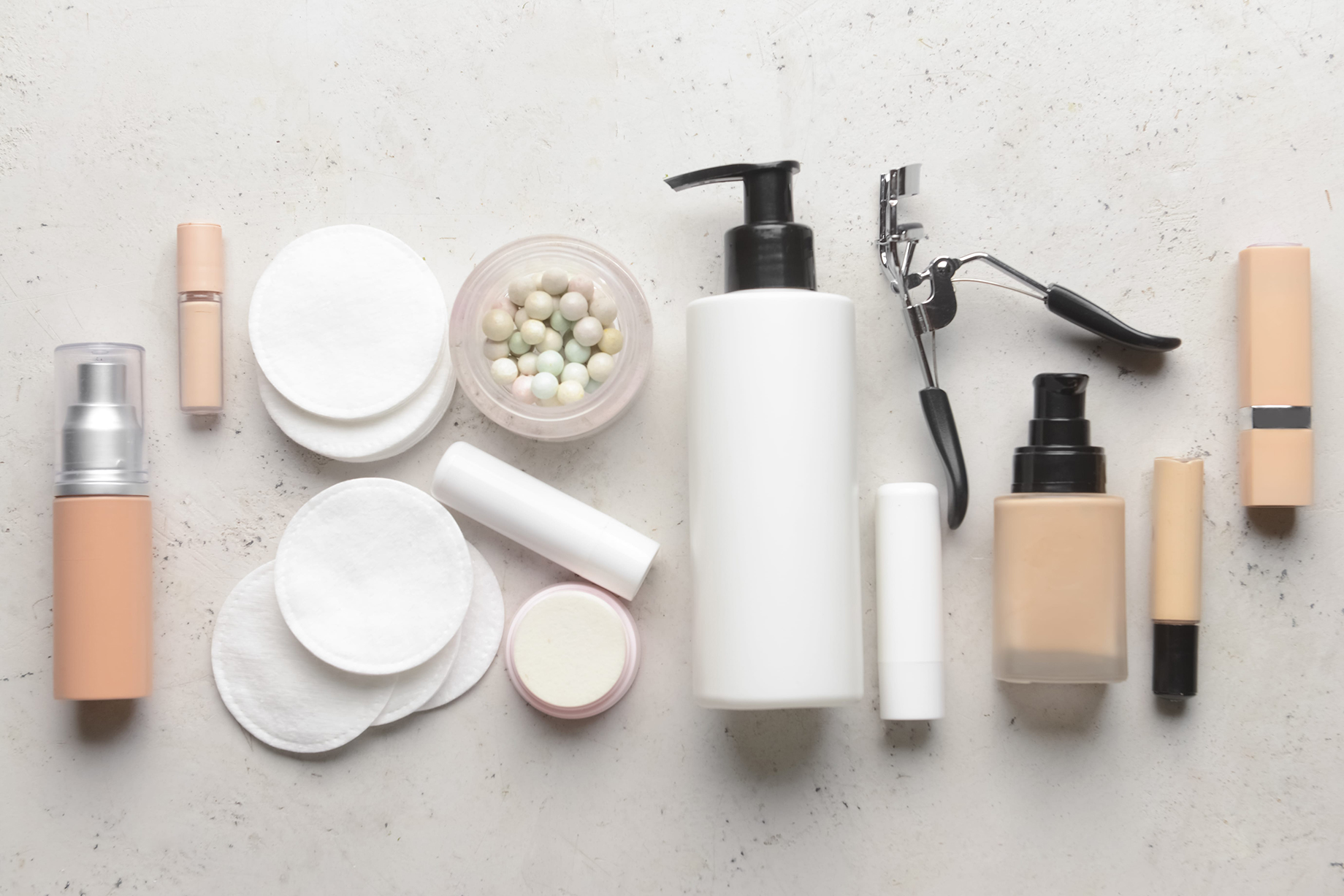
The global beauty and personal care industry continues to evolve rapidly, driven by changing consumer preferences, technological innovation, and increasing demand for personalized products. Among the most significant trends shaping the market today is the growth of private label cosmetics. Once considered a budget alternative to established brands, private label beauty products have become a strategic business opportunity for retailers, distributors, influencers, and entrepreneurs seeking to establish their own unique presence in the market.
Private label cosmetics have transformed from a value-focused alternative into a dynamic and rapidly expanding segment of the beauty industry. By combining high-quality manufacturing, innovative formulations, and strong branding strategies, businesses can successfully build their own cosmetic brands and meet the evolving needs of modern consumers.
As consumer demand for personalized, sustainable, and high-performance beauty products continues to grow, private label cosmetics are expected to play an increasingly important role in shaping the future of the global beauty market.
What Are Private Label Cosmetics?
Private label cosmetics are beauty and personal care products manufactured by one company and sold under another company’s brand name. Instead of investing in product development, manufacturing facilities, and complex regulatory processes, businesses can partner with experienced cosmetic manufacturers that offer ready-made formulations and packaging solutions.
This model enables companies to launch skincare, makeup, haircare, and personal care products under their own brand while benefiting from the expertise and production capabilities of established manufacturers.
Why Is the Private Label Cosmetics Market Growing?
Several factors have contributed to the rapid growth of the private label cosmetics sector:
1. Lower Barriers to Entry
Starting a cosmetic brand traditionally required significant capital investment and technical expertise. Private label manufacturing eliminates many of these challenges, allowing businesses to enter the market quickly and cost-effectively.
2. Rising Consumer Trust
Consumers are increasingly focused on product quality, ingredients, sustainability, and brand values rather than simply choosing well-known multinational brands. As a result, many private label products now compete successfully with premium cosmetic brands.
3. E-commerce Expansion
Online marketplaces and social media platforms have created unprecedented opportunities for emerging beauty brands. Entrepreneurs can reach global audiences without the need for physical retail distribution, making private label cosmetics an attractive business model.
4. Demand for Niche Products
Modern consumers seek products tailored to specific needs, including vegan cosmetics, clean beauty, cruelty-free formulations, organic skincare, and products designed for particular skin types or demographics. Private label manufacturers increasingly offer specialized formulations to meet these demands.
Advantages for Brand Owners
Private label cosmetics offer several strategic advantages:
- Faster time-to-market
- Lower development costs
- Reduced operational complexity
- Access to proven formulations
- Flexible product customization
- Scalability for growing businesses
By leveraging an experienced manufacturing partner, brand owners can focus on marketing, branding, customer engagement, and sales growth.
The Importance of Quality and Compliance
Success in the beauty industry depends heavily on product quality and regulatory compliance. Reputable private label manufacturers follow international standards such as GMP (Good Manufacturing Practices) and comply with cosmetic regulations in target markets including the European Union, the United States, and other regions.
Brands should carefully evaluate potential manufacturing partners based on quality certifications, ingredient sourcing, testing procedures, product safety records, and transparency throughout the production process.
Sustainability and Innovation
Sustainability has become a key purchasing factor for consumers worldwide. Many private label cosmetic manufacturers are responding by offering:
- Recyclable packaging
- Refillable product formats
- Natural and organic ingredients
- Vegan formulations
- Environmentally responsible production processes
At the same time, innovation in active ingredients, skincare technologies, and personalized beauty solutions continues to create new opportunities for private label brands to differentiate themselves in a competitive market.








Discussion about this post